
HUSH They can hear house loot Guide: Items and Safety Tips
House loot in HUSH: They can hear consists of medical supplies, food items like canned beans, toolboxes, and trade goods scattered inside residential buildings. Players scavenge these rooms to recover stamina, patch wounds, and collect items to sell for credits.
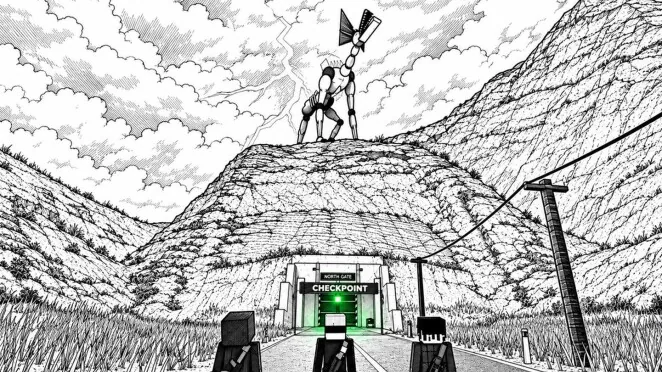
House loot in HUSH: They can hear consists of medical supplies, food items like canned beans, toolboxes, and trade goods scattered inside residential buildings. Players scavenge these rooms to recover stamina, patch wounds, and collect items to sell for credits.
Residential Containers and Spawn Locations
Loot inside town houses spawns both loose on surfaces and packed inside interactive containers. Players searching residential rooms encounter red toolboxes that open by pressing the E key. A red toolbox can yield items such as medium ammo, but it also has a chance to produce a message stating that the container is empty. Empty containers are standard occurrences during a raid rather than glitches.
Rooms and hallways also contain loose pickups on tables, shelves, or floors. Canned beans appear on indoor surfaces with a direct prompt to eat or store them. Medical gear like painkillers and splints also populates residential rooms, providing direct treatment options for physical injuries sustained while traversing the town.
Key Items Found Inside Houses
Scavenging residential zones produces a balance of immediate consumables, ammunition, and barter items. Food items such as Energy Bars and canned beans restore stamina during extended searches. Medical supplies include Bandages to halt bleeding, antivirals to prevent infection from turning the character, and Medkits to restore lost health points.
Houses also hold crafting components and valuables. Common materials like Cloth Rags and Chemicals appear alongside occasional high-value pickups such as Bunker Codes. In addition, players may discover light ammo, medium ammo, or weapons when searching through residential storage containers.
Managing House Loot and Inventory Choices
Backpack space is strictly limited during each deployment. The default character inventory provides 20 slots, with a HUD indicator tracking the running cash value of all collected gear. Players can expand storage permanently to 30 slots by purchasing the Big Backpack game pass for 400 Robux.
Because losing a run means dropping carried possessions outside the safe pocket, deciding which house loot to keep determines profit and survival.
| Item Category | Practical In-Game Role | Inventory Trade-Off |
|---|---|---|
| Medical Supplies | Heals injuries, cures infection, and stops bleeding | Consumes slots that could hold trade valuables; Medkits sell for 60 credits |
| Food and Drink | Restores stamina and energy reserves during long runs | Stacks in standard slots; Energy Bars sell for 15 credits |
| Valuables and Codes | Yields high credit payouts at the town shop | Offers no healing or defensive utility during active raids; Bunker Codes sell for 150 credits |
Once a player returns to base, they can use the store all button to transfer items directly into their stash. Interacting with the sell tab at the supply shop allows players to convert unwanted supplies into credits using individual or bulk sale buttons.
Safe Movement and House Defense
Town houses offer shelter from outdoor patrols, but entering them requires caution. The monsters roaming the streets hunt purely by sound. Sprinting inside buildings or slamming doors creates noise that draws nearby enemies straight to your location. Moving at a normal pace or dropping into a crouch minimizes acoustic output while clearing room interiors.
Closing exterior doors upon entering keeps roaming creatures from spotting open entryways. When planning an extended search in a multi-room house, players can board up windows to place protective barricades. These barricades slow down hostiles and provide extra seconds to secure valuables or retreat toward an escape route.
Managing inventory weight and noise is an active part of survival. Understanding creature sound mechanics ensures players do not alert hunters while picking up heavy gear. When a standard 20-slot backpack approaches full capacity, moving toward the nearest exit zone secures the run before monsters cut off the path to safety. Returning to the supply vendor allows survivors to sell loot and prepare better weapons for future excursions.