
HUSH They can hear Barricades: How to Board Up and Defend
Barricades in the Roblox survival game HUSH: They can hear by theInstigators allow players to board up windows inside buildings to slow down sound-hunting monsters. Fortifying rooms creates defensible positions while looting houses and managing indoor noise levels before extracting.
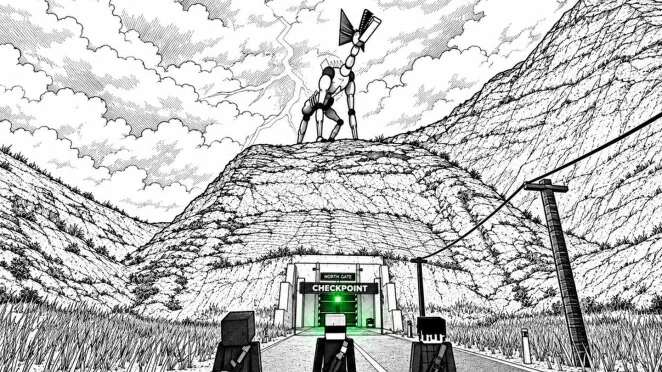
Barricades in the Roblox survival game HUSH: They can hear by theInstigators allow players to board up windows inside buildings to slow down sound-hunting monsters. Fortifying rooms creates defensible positions while looting houses and managing indoor noise levels before extracting.
Window Barricading and Structure Fortification
The official Roblox experience description from theInstigators explicitly instructs survivors to build, barricade, and board up windows to stay alive. When emerging from the sewers into the overrun town, buildings represent the main source of supplies, containing toolboxes and containers scattered behind residential and commercial doors. Boarding up window frames prevents creatures outside from establishing direct lines of entry while you search containers for supplies.
Securing entryways becomes especially relevant when scouring house loot in dense neighborhood areas. Windows often expose players to patrolling threats that roam exterior pathways. Applying barricades across exposed glass or empty frames establishes physical barriers that force hostile entities to break through obstacles rather than walking straight into your scavenging space.
Managing Sound While Fortifying Indoor Spaces
Sound is the primary detection mechanism used by hostile entities throughout the map. In recorded runs, indoor audio readings vary significantly based on survivor behavior. Crouching inside a room registers at roughly 33 dB, while standard walking increases noise to 52 dB, and operating a vehicle spikes audio output to 81 dB. Building barriers or moving recklessly inside a structure risks producing noise spikes that alert monsters patrolling nearby alleys.
Understanding baseline sound mechanics dictates how carefully you should fortify a room. If an enemy approaches the exterior wall while you reinforce a position, switching to a crouch and remaining completely motionless has been shown to let creatures pass without triggering an attack. Rushing window boards while sound-sensitive enemies are within hearing range turns a defensive maneuver into an immediate hazard.
Choosing Defensive Tactics During Raids
Every survivor must weigh whether fortifying an indoor room is worth the time and noise investment compared to staying mobile. The table below outlines defensive choices available during an active raid.
| Defensive Action | Recommended Situation | Practical Consideration |
|---|---|---|
| Boarding up windows | Securing houses while searching toolboxes | Keeps players positioned near exterior openings |
| Crouching and freezing | Monsters roaming right outside a room | Keeps noise near 33 dB but stops movement |
| Retreating to an EVAC post | Stash capacity reached or threat escalating | Triggers an exit countdown before the doors shut |
Defensive Preparation for EVAC Extraction
Boarding up structures serves as a temporary protective measure rather than a permanent shelter. Because surviving raids requires reaching a designated green WAY OUT marker on the map, such as North Gate or The Farm Track, barricading rooms should only be used to secure your immediate loot collection. Staying trapped inside a barricaded house after an alert will deplete your resources.
Calling extraction triggers a timed countdown, recorded at 72 seconds in sample runs, before the evacuation truck doors shut. If a barricaded defense fails and a survivor is caught, the game applies a severe death penalty: all carried backpack items, equipped firearms in slots 1 and 2, and throwable gear are completely lost. Only items secured inside the safe pocket remain protected, making a timely retreat to extraction far safer than attempting an extended stand behind window boards.