
HUSH They can hear sound mechanics: Noise Triggers and Decibel Guide
In HUSH: They can hear, sound mechanics revolve around a real-time decibel meter at the bottom left of your screen. Hostile entities and rival players track noise from walking, sprinting, gunfire, opening doors, and driving vehicles, making silent movement essential to survival.
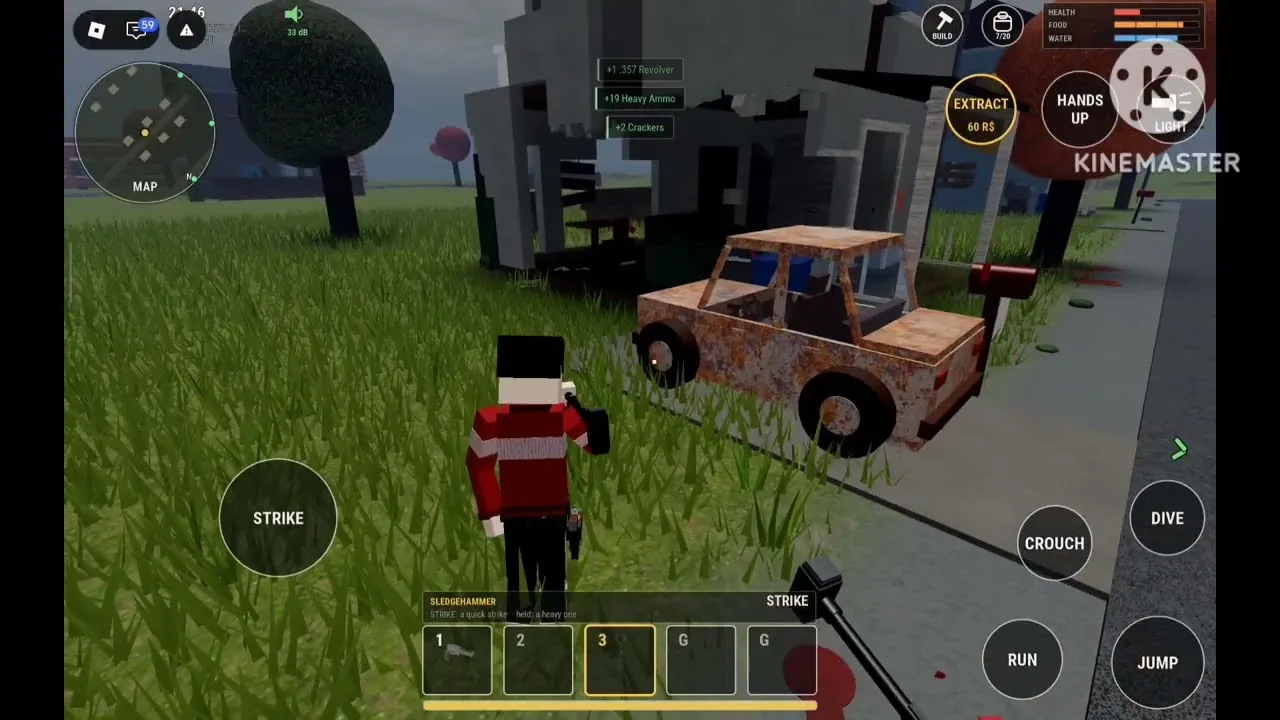
In HUSH: They can hear, sound mechanics revolve around a real-time decibel meter at the bottom left of your screen. Hostile entities and rival players track noise from walking, sprinting, gunfire, opening doors, and driving vehicles, making silent movement essential to survival.
The Decibel Meter and Noise States
The interface monitors player audio through an indicator on the bottom left corner of the screen. This system displays your audio state as silent, audible, or loud, measuring exact decibels generated by every physical action. Creatures inhabiting the town hunt strictly by sound rather than clear line-of-sight vision.
Maintaining a silent state keeps nearby monsters docile, allowing you to bypass wandering threats. Once actions push your meter into audible or loud thresholds, enemies within range turn toward the source and begin tracking your exact coordinates.
Server-wide threats also include rival survivors. Up to 30 players occupy a single session, and experienced scavengers listen for nearby footsteps, door interactions, and weapon discharges to hunt competitors before they reach an extraction zone.
Primary Sound Triggers
Nearly every movement and world interaction produces measurable decibels. Understanding which actions generate sound allows you to plan routes through buildings and contested streets without alerting nearby hordes.
Locomotion and Posture
Basic movement acts as the most frequent sound trigger during a raid:
- Sprinting: Holding Shift causes heavy footstep sounds, immediately filling the decibel gauge and notifying any creature on that street corner.
- Standard Walking: Moving upright with WASD produces steady, low-level decibels that can alert entities standing within immediate interior rooms.
- Crouching: Pressing C lowers your stance, significantly reducing decibel output. Choosing to crouch is the standard method for slipping past guards and exploring confined interiors without raising alarms.
- Diving and Sliding: Executing slides while running or diving with Alt creates brief, loud impacts upon contacting floors.
Environment Interactions
Searching structures requires physical manipulation of the environment, each carrying its own audio footprint:
- Doors: Opening doors creates an audible creak. Rushing through doorways without pausing can compromise your position.
- Barricades and Boarded Windows: Smashing wooden planks or breaking obstacles rings out across the sector.
- Keypad Errors: Inputting an invalid bunker password causes security panels to buzz violently, broadcasting a loud audio spike to surrounding corridors.
Weapon Discharges
Combat sounds generate the largest audio radius in the game:
- Firearms: Firing unsuppressed weapons creates a massive sound report that alerts entire blocks, immediately causing infected hordes to converge on your firing position.
- Melee Combat: Striking enemies with a fire axe or blade remains entirely silent, allowing you to neutralize lone targets without moving the decibel needle.
Vehicle Operations
Vehicles provide rapid transit across the map at the expense of complete stealth:
- Engine Noise: Players who hotwire cars produce sustained high-decibel output the moment the motor engages.
- Driving: Cruising along roadways causes nearby monsters to actively chase the vehicle, creating pursuit trains behind your bumper.
Sound Management Strategies
Balancing movement speed against acoustic detection determines your raid outcome. Using different postures and offensive tools creates distinct tactical trade-offs during a scavenge run.
| Movement or Action | Detection Risk | Operational Trade-Off |
|---|---|---|
| Crouched Movement | Silent or minimal decibels | Slower travel speed while traversing open roadways |
| Sprinting Across Open Roads | Loud decibel spikes | Covers distance quickly but alerts monsters along the path |
| Blade and Axe Melee | Completely silent | Requires close contact where missed hits result in melee injury |
| Firing Guns Without Suppressors | Extreme map-wide audio radius | Eliminates targets instantly while alerting all nearby players and hordes |
| Operating Motor Vehicles | Severe sustained decibels | Rapid map traversal while drawing every creature on the street into pursuit |
Surviving Monster Aggro and Escaping Sound Chases
When loud sounds draw aggressive creatures to your area, standing your ground with noisy firearms often compounds the danger by summoning secondary waves.
Breaking line of sound requires immediately lowering decibels. Drop your posture into a crouch and move around solid architectural corners or enter closets and lockers. If you must fire to defend yourself, aim specifically for critical anatomy: headshots inflict three times standard damage, torso hits deliver base damage, while limb shots deal 60 to 70 percent damage and force infected targets into a crawl.
During final extraction calls, the departure mechanism rings out loud audio cues that pull roaming entities to the landing pad or exit door. Setting up barricades or clearing nearby infected quietly before initiating the final departure prevents getting overwhelmed while the countdown clock runs out.
Related Guides
Death Penalty
Learn which carried items drop on death in HUSH, how secure storage functions, and strategies to protect valuable loot during runs.
Backpack Capacity and Upgrades
Manage inventory space, expand container slots to 30 with official passes, and protect high-value raid loot before extracting.